Web For Solution Ltd. Coming

0%

Best Accounting Software in Bangladesh

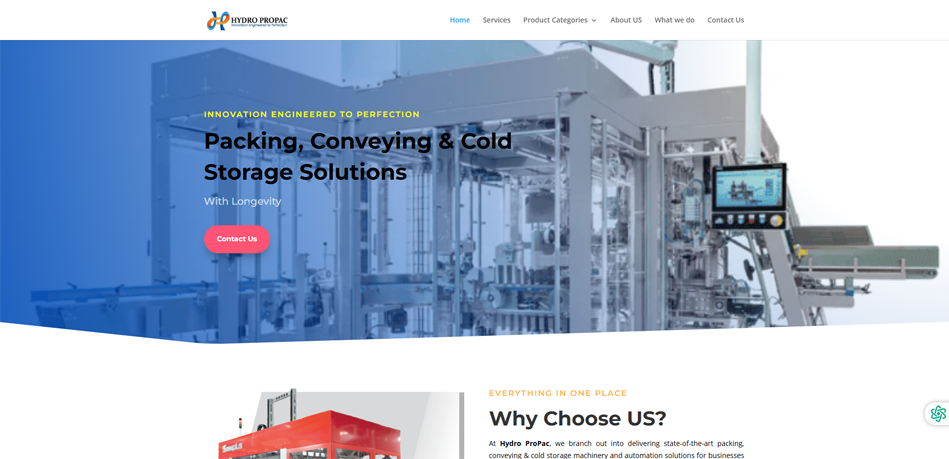
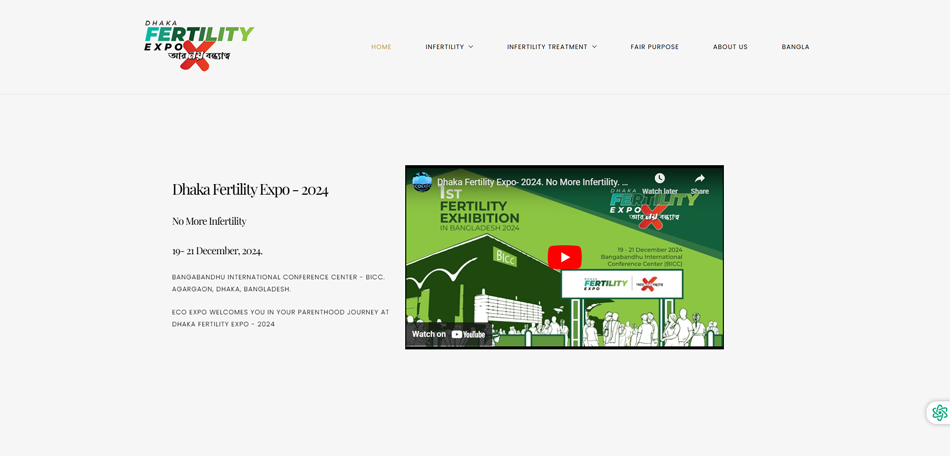
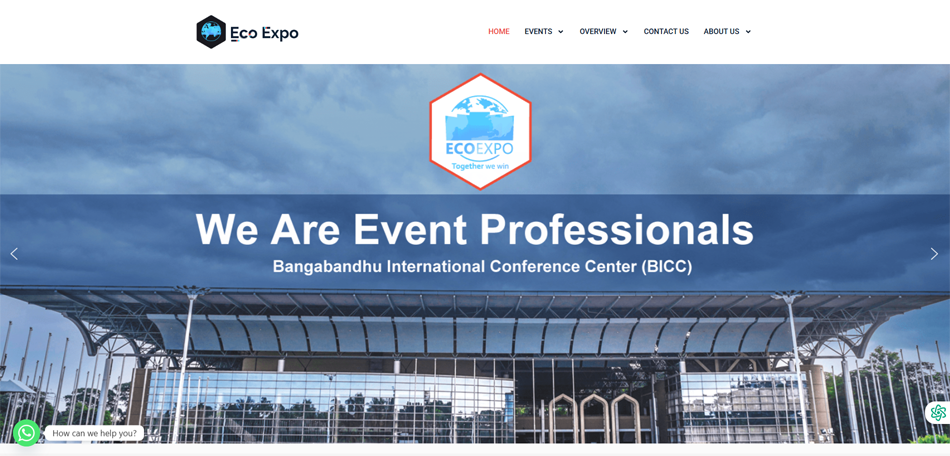
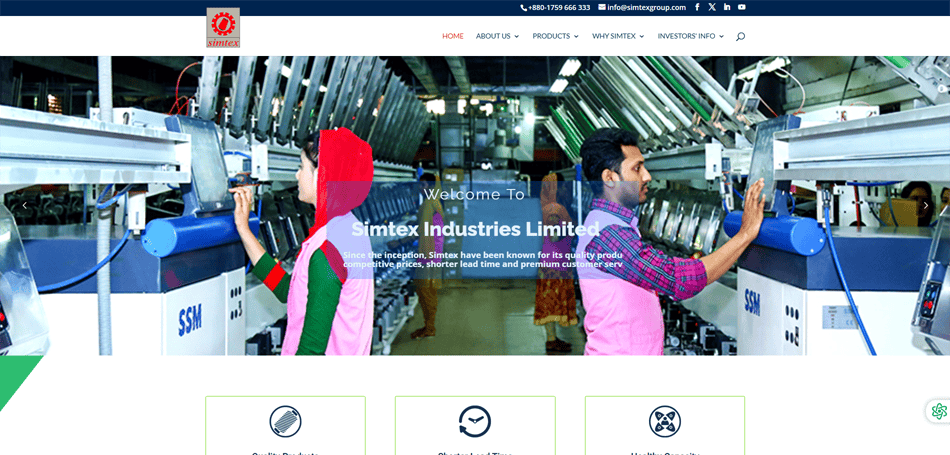
Our recent works

subtitle-icon-1 ABOUT COMPANY

Finding top-tier software talent can be challenging and time-consuming. You need to be where the talent is, target the right audience, attract candidates at the right career stage, conduct hours of interviews, and navigate high hiring costs.

0M

Raised .. more than

a1-shape

Huge Team

Managing global business startups in 2026

subtitle-icon-1 OUR SERVICES

We’ve done all the hard work for you. Bangladesh boasts a large and growing pool of skilled software developers, and as the leading software company in the country, we have access to the best talent in the industry. Simply tell us the skills and experience you need, and choose from our pre-vetted, highly qualified developers who are ready to start working on your project immediately.

subtitle-icon-1 KEY FEATURES

Stakeholder Interviews: Conducting interviews with stakeholders to gather detailed requirements. Surveys and Questionnaires: Using surveys to collect data from a larger audience. Workshops: Organizing workshops with clients to define and refine project requirements.

0%

Improving your website ranking on major search engines.

0%

Improving your website ranking on major search engines.

f1-vector
check-icon

Proven Digital Strategy

Automated & personalized campaigns that drive customer loyalty and retention.

check-icon

Cross-Channel Expertise

Delivering consistent brand experiences across SEO, social, email, and paid media channels effectively.

check-icon

Ongoing Optimization

Continuously refining strategies and content to improve performance, maximize digital marketing results.

check-icon

Transparent Reporting

We provide transparent, insightful reports that break down campaign performance & show what drives your success.

subtitle-icon-1 OUR PROJECTS

User Interface Design: Crafting visually appealing and user-friendly interfaces. User Experience Design: Ensuring a seamless and intuitive user experience through user journey mapping and wireframing. Prototyping: Creating prototypes to validate design concepts and gather user feedback.

subtitle-icon-1 WORLDWIDE CUSTOMERS

+

Creative team to care for projects.

5.0

3,595 Rating

subtitle-icon-1 JOIN OUR AGENCY

Empowering brands through creative, data-driven digital marketing solutions.

subtitle-icon-1 CLIENTS STORIES

t1-quote

"Web For Solution made our website attarctive and responsive for all devices which was very important

Robert Fox

2715 Ash Dr. San Jose,

t1-quote

“Professional, responsive, and creative. Our ROI skyrocketed thanks to their always for good work!

Theresa Webb

2464 Royal Ln. Mesa, New Jersey

t1-quote

“Web For Solution's every task was excelent and unique than others. We must hire them for the next project

Guy Hawkins

8502 Preston Rd. Inglewood,

t1-quote

“Best wishes all the waycauses they know how to make a website as the client's choice. Thanks once again

Jenny Wilson

1901 Thornridge Cir. Shiloh,

t1-quote

“Very effective theam and high skilled around this industry. For sure they must be the best of best no doubt

Dianne Russell

6391 Elgin St. Celina,

t1-quote

“keep it up your good work. I respect your dedication and quality work which make our business meaningful

Bessie Cooper

6391 Elgin St. Celina, Delaware

subtitle-icon-1 ABOUT COMPANY

Our expert team delivers impactful digital strategies that elevate your brand and drive measurable online results.

01 Customized Strategies

Tailored digital marketing plans designed to fit your business goals and audience.

02 Data-Driven Approach

We use analytics and performance metrics to refine campaigns and maximize ROI.

03 Full-Service Solutions

From SEO to paid ads, social media, and content everything under one roof.

04 Expert Team Support

Work with certified professionals & creatives with proven industry experience.

subtitle-icon-1 LATEST NEWS

Exploring fresh ideas that drive growth and transformation forward.

subtitle-icon-1 FAQ'S

Find quick, clear answers the most common questions about our services.

Contact Us

Get in touch with our expert team for customer support today.

# Standard Accounting Software: Main Parts, Features, and Solutions

Accounting is one of the most important functions of any business. Whether a company is a small startup, a growing organization, a manufacturing company, a retail business, or a large enterprise, accurate financial management is essential for sustainable growth. Traditional accounting methods based on spreadsheets, paper documents, and manual calculations can be time-consuming and may increase the possibility of errors. Standard accounting software provides an organized, automated, and efficient solution for managing financial transactions and producing reliable financial information.

Modern accounting software combines multiple accounting functions into a single platform. It can manage sales, purchases, expenses, income, accounts receivable, accounts payable, inventory, banking, payroll, taxation, financial reporting, and many other activities. By centralizing financial information, accounting software enables business owners, accountants, managers, and decision-makers to understand the financial position of their organization more effectively.

## 1. General Ledger

The General Ledger is the central part of standard accounting software. It maintains the complete record of financial transactions and organizes them into different accounts.

Every financial transaction ultimately affects one or more ledger accounts. These may include cash, bank, sales, purchases, salaries, rent, utilities, assets, liabilities, capital, and various expenses.

A good General Ledger module provides:

* Chart of Accounts management
* Journal entry management
* Debit and credit transactions
* Account balances
* Opening and closing balances
* Adjustment entries
* Recurring journal entries
* Account reconciliation
* Transaction history
* General ledger reports

The General Ledger provides the foundation for preparing financial statements and understanding the overall financial condition of a business.

## 2. Chart of Accounts

The Chart of Accounts is a structured list of all accounts used by an organization. It normally contains accounts under categories such as assets, liabilities, equity, income, and expenses.

For example, asset accounts may include cash, bank accounts, accounts receivable, inventory, vehicles, equipment, and buildings. Liability accounts may include accounts payable, loans, taxes payable, and other obligations.

A flexible accounting system allows authorized users to create, modify, activate, or deactivate accounts according to business requirements.

A properly designed Chart of Accounts makes financial reporting more organized and helps management analyze income and expenses by category.

## 3. Accounts Receivable

Accounts Receivable manages money owed to a business by customers. This module is especially important for companies that sell products or services on credit.

The system can record customer invoices, payments, credit notes, outstanding balances, and due dates. It can also track customer payment history.

Important functions include:

* Customer account management
* Sales invoice generation
* Credit sales
* Payment recording
* Outstanding invoice tracking
* Customer statements
* Aging reports
* Credit notes
* Receivable reconciliation
* Payment reminders

Accounts Receivable helps businesses reduce overdue payments and maintain better control over customer balances.

## 4. Accounts Payable

Accounts Payable manages amounts that a business owes to suppliers, vendors, and service providers.

The system records supplier invoices, purchase transactions, payments, credit notes, and outstanding liabilities. It helps accountants determine which invoices are due and when payments should be made.

Common features include:

* Supplier management
* Purchase invoice entry
* Vendor bills
* Payment processing
* Outstanding payable reports
* Supplier statements
* Due-date tracking
* Debit and credit adjustments
* Payable aging reports

Accounts Payable improves payment control and helps prevent missed or duplicate payments.

## 5. Sales and Invoicing

Sales and invoicing are essential components of accounting software. The system allows businesses to generate professional invoices quickly after selling products or services.

Invoices can contain customer information, product or service details, quantities, prices, discounts, taxes, payment terms, and total amounts.

A standard invoicing solution may support:

* Sales quotations
* Sales orders
* Invoices
* Credit notes
* Discounts
* Taxes
* Customer payments
* Recurring invoices
* Invoice printing
* PDF generation
* Email delivery

Automated invoicing reduces manual work and improves the accuracy of sales records.

## 6. Purchase Management

The Purchase Management module controls purchasing activities and supplier transactions. It allows a company to record purchase requisitions, purchase orders, supplier bills, payments, and received goods.

A complete purchase workflow can connect purchasing with inventory and accounts payable.

Key functions may include:

* Purchase requisitions
* Purchase orders
* Goods receiving
* Supplier invoices
* Purchase returns
* Purchase discounts
* Supplier payments
* Purchase reports

This provides management with a clear view of purchasing costs and supplier relationships.

## 7. Cash and Bank Management

Cash and bank management is another important part of accounting software. It provides a centralized record of cash receipts, cash payments, deposits, withdrawals, and bank transactions.

The system can maintain multiple bank and cash accounts and provide transaction-level details.

Major features include:

* Cash receipts
* Cash payments
* Bank deposits
* Bank withdrawals
* Bank transfers
* Bank reconciliation
* Cash balance tracking
* Bank balance tracking
* Payment records

Bank reconciliation helps identify differences between the accounting records and bank statements.

## 8. Expense Management

Expense management enables businesses to record and monitor operational expenses. Expenses can be categorized into areas such as salaries, rent, utilities, transportation, office supplies, marketing, maintenance, and professional services.

The software can provide:

* Expense entry
* Expense categories
* Employee expense claims
* Receipt records
* Approval workflows
* Expense reports
* Department-wise expenses
* Project-wise expenses

This helps management understand where money is being spent and identify unnecessary or excessive costs.

## 9. Inventory and Stock Accounting

For businesses that sell physical products, inventory management is closely connected with accounting.

An accounting system with inventory functionality can monitor stock quantities, purchase costs, sales, stock adjustments, returns, and inventory valuation.

Important functions may include:

* Product management
* Stock-in and stock-out
* Warehouse management
* Stock transfers
* Purchase returns
* Sales returns
* Inventory valuation
* Low-stock alerts
* Stock adjustment
* Product-wise profitability

Integration between inventory and accounting ensures that financial records and stock records remain synchronized.

## 10. Fixed Asset Management

Fixed Asset Management handles long-term assets owned by a business. Examples include buildings, vehicles, computers, machinery, furniture, and equipment.

The module can maintain detailed information about each asset, including purchase date, purchase value, location, useful life, depreciation method, and accumulated depreciation.

Common features include:

* Asset registration
* Asset classification
* Asset acquisition
* Depreciation calculation
* Asset transfer
* Asset disposal
* Asset valuation
* Depreciation reports

Automated depreciation calculations help maintain more accurate financial statements.

## 11. Payroll and Employee Accounting

Payroll is often integrated into accounting software to connect employee compensation with financial records.

The payroll module can calculate salaries, allowances, deductions, bonuses, overtime, taxes, and other payroll-related items according to the organization’s policies and applicable requirements.

Typical features include:

* Employee records
* Salary structures
* Attendance integration
* Allowances
* Deductions
* Overtime
* Bonuses
* Payslips
* Payroll reports
* Salary journal posting

Payroll integration reduces the need for duplicate data entry and ensures that salary expenses are properly reflected in the accounts.

## 12. Tax Management

Tax management is an important part of accounting systems. Businesses may need to manage different types of taxes depending on their location, industry, and legal structure.

A tax module can help calculate applicable taxes during sales and purchases and maintain tax-related records.

Potential features include:

* Tax configuration
* Tax rates
* Tax-inclusive and tax-exclusive pricing
* Sales tax records
* Purchase tax records
* Tax summaries
* Tax liability reports
* Tax-related journal entries

Accounting software should be configured according to the applicable tax laws and regulations of the relevant jurisdiction.

## 13. Budgeting and Forecasting

Budgeting allows management to establish financial targets and compare actual performance against planned figures.

For example, a company may prepare annual budgets for sales, salaries, marketing, purchasing, operating expenses, and capital expenditure.

The software can provide:

* Annual budgets
* Department budgets
* Project budgets
* Monthly budgets
* Budget-versus-actual reports
* Financial forecasting
* Variance analysis

Budgeting helps management identify areas where actual spending or revenue differs significantly from expectations.

## 14. Financial Reporting

Financial reporting is one of the most valuable functions of accounting software. Instead of manually preparing reports from multiple spreadsheets, the system can generate reports from the underlying transaction data.

Standard reports include:

### Profit and Loss Statement

This report shows revenue, expenses, and the resulting profit or loss for a particular period.

### Balance Sheet

The Balance Sheet presents assets, liabilities, and equity and provides an overview of the financial position of a business.

### Cash Flow Statement

The Cash Flow Statement shows movements of cash from operating, investing, and financing activities.

### Trial Balance

The Trial Balance summarizes account balances and helps accountants review the accounting records.

Other useful reports include sales reports, purchase reports, expense reports, receivable aging, payable aging, inventory reports, tax reports, and account statements.

## 15. Multi-Company and Multi-Branch Accounting

Growing businesses may operate multiple companies, branches, departments, warehouses, or business units. Standard accounting software can provide centralized financial management while maintaining separate records where necessary.

A multi-company solution may support:

* Multiple company profiles
* Multiple branches
* Separate Chart of Accounts
* Branch-wise transactions
* Consolidated reporting
* Inter-company transactions
* Department accounting
* Cost-center accounting

This functionality is particularly useful for organizations with complex structures.

## 16. Multi-Currency Accounting

Businesses involved in international transactions may need to work with multiple currencies. Multi-currency accounting allows companies to record transactions using different currencies while maintaining appropriate accounting records.

Features can include:

* Currency setup
* Exchange rate management
* Foreign currency sales
* Foreign currency purchases
* Currency gains and losses
* Currency-wise reporting

This simplifies international business accounting and provides better visibility into foreign transactions.

## 17. User Management and Access Control

Financial information is sensitive, so accounting software needs strong user-management capabilities.

Administrators can assign different permissions to accountants, managers, sales staff, purchasing employees, auditors, and other users.

For example, one user may only create sales invoices, while another user may approve payments or access financial reports.

Important security features include:

* User accounts
* Role-based permissions
* Module-level access
* Approval controls
* Activity logs
* Login security
* Password policies
* Audit trails

These controls help reduce unauthorized access and improve accountability.

## 18. Audit Trail

An audit trail records important activities performed within the accounting system. It can show who created, modified, approved, or deleted a transaction and when the activity occurred.

This is particularly useful for internal control and financial review.

Audit functionality can help organizations identify:

* Changes to transactions
* Deleted records
* Modified invoices
* User activities
* Approval history
* Login activities

A reliable audit trail improves transparency and accountability.

## 19. Automation Solutions

Automation is one of the biggest advantages of modern accounting software.

Instead of entering the same information repeatedly, the system can automate recurring processes. For example, recurring invoices, depreciation, scheduled expenses, payment reminders, and recurring journal entries can be generated automatically.

Automation can reduce administrative workload, improve consistency, and minimize common data-entry mistakes.

## 20. Integration Solutions

Accounting software can become more powerful when integrated with other business systems.

Possible integrations include:

* E-commerce platforms
* Point-of-sale systems
* Banking platforms
* Payroll systems
* Inventory systems
* Customer Relationship Management systems
* Payment gateways
* Business intelligence tools
* Document management systems

Integration allows information to move between systems more efficiently and reduces duplicate data entry.

## 21. Dashboard and Business Intelligence

A financial dashboard provides management with a quick overview of important business indicators.

A dashboard may display:

* Total sales
* Total expenses
* Net profit
* Cash balance
* Receivables
* Payables
* Outstanding invoices
* Inventory value
* Monthly revenue
* Expense trends

Charts and graphical summaries make financial information easier to understand and support faster decision-making.

## 22. Cloud-Based Accounting

Cloud accounting allows authorized users to access accounting information through an internet-connected device.

The main advantages can include:

* Remote accessibility
* Centralized data
* Automatic updates
* Easier collaboration
* Reduced dependence on local computers
* Backup capabilities
* Scalable infrastructure

Cloud solutions can be particularly useful for businesses with multiple branches or employees working from different locations.

## 23. Backup and Data Security

Accounting data is critical to a business, so data protection should be a fundamental part of any accounting solution.

A professional accounting system should consider:

* Regular backups
* Secure authentication
* User permissions
* Encryption
* Audit logs
* Disaster recovery
* Data restoration
* Secure hosting

Businesses should also establish appropriate backup and recovery policies to protect financial information from accidental loss or system failures.

## 24. Mobile Access

Modern accounting solutions may provide mobile-friendly interfaces or dedicated mobile applications. This enables authorized users to review financial information while away from the office.

Mobile functionality may allow users to:

* Check dashboards
* Review invoices
* Approve transactions
* Monitor payments
* View reports
* Track expenses

Mobile access improves flexibility and helps management stay informed.

## 25. Accounting Software Solutions for Different Businesses

Accounting requirements vary from one business to another. Therefore, the best accounting solution should be configurable according to the organization’s size and industry.

### Small Businesses

Small companies generally need simple invoicing, expense tracking, bank management, receivables, payables, and financial reporting.

### Retail Businesses

Retail companies may require accounting integrated with inventory and point-of-sale systems.

### Manufacturing Companies

Manufacturers often need inventory, raw materials, production costs, purchase management, fixed assets, and cost accounting.

### Service Companies

Service organizations may need project accounting, customer billing, employee expenses, and time-based invoicing.

### E-commerce Businesses

E-commerce companies benefit from integration between online sales, inventory, payment gateways, customers, shipping, and accounting.

### Large Enterprises

Large organizations may require multi-company accounting, multi-branch management, budgeting, consolidation, advanced reporting, workflow approvals, and extensive integration capabilities.

# Conclusion

Standard accounting software is much more than a digital replacement for a traditional ledger. It is a complete financial management solution that can connect accounting transactions with sales, purchases, inventory, payroll, banking, taxation, budgeting, and business reporting.

The main parts of an accounting system typically include General Ledger, Chart of Accounts, Accounts Receivable, Accounts Payable, Sales and Invoicing, Purchase Management, Cash and Bank Management, Expense Management, Inventory, Fixed Assets, Payroll, Tax Management, Budgeting, Financial Reporting, User Management, and Audit Trails.

The most effective accounting solutions are those that combine accuracy, automation, security, usability, scalability, and reporting. By integrating financial information into one centralized platform, businesses can reduce manual work, improve financial visibility, control costs, monitor cash flow, manage customer and supplier balances, and make better-informed decisions.

As businesses grow, their accounting requirements also become more complex. Therefore, organizations should select software that can scale with their operations and integrate with other business systems. Whether the company is a small business, retail operation, manufacturing company, service provider, e-commerce organization, or large enterprise, a properly designed accounting software solution can provide the financial structure and information required for efficient and sustainable business management.

Why Large Companies Use Accounting Software

Large companies handle thousands or even millions of financial transactions every year. They may have multiple branches, departments, warehouses, employees, customers, suppliers, and bank accounts. Managing all this information manually is difficult, time-consuming, and prone to errors. This is why accounting software has become an essential business tool for large organizations.

Accounting software helps large companies organize financial information, automate accounting processes, control expenses, manage cash flow, prepare reports, and make better business decisions. It also connects accounting with other business functions such as sales, purchasing, inventory, payroll, taxation, and banking.

Below are the major reasons why large companies use accounting software.

1. Managing a Large Volume of Transactions

One of the biggest reasons large companies use accounting software is their enormous volume of transactions. A large organization may process thousands of sales invoices, purchase invoices, receipts, payments, employee expenses, bank transactions, and other financial entries every month.

Entering and processing this information manually can require a large accounting team and considerable time. Accounting software can process large amounts of data much more efficiently.

For example, when a company makes a sale, the software can automatically record the customer invoice, update the receivable balance, calculate applicable taxes, update inventory where integrated, and post the appropriate accounting entries.

This reduces repetitive work and allows accounting employees to concentrate on more important financial activities.

2. Improving Accounting Accuracy

Accuracy is extremely important in financial management. A small accounting mistake can sometimes result in incorrect reports, incorrect payments, budgeting problems, or poor business decisions.

Manual calculations can lead to common errors such as:

Incorrect totals
Duplicate entries
Incorrect account classification
Missing transactions
Incorrect tax calculations
Data-entry mistakes
Calculation errors

Accounting software performs many calculations automatically. When properly configured and used, it can reduce common human errors and create more consistent financial records.

However, software does not eliminate the need for professional accountants. Human review, proper configuration, and internal controls remain important.

3. Saving Time

Time is a valuable resource for every large company. Accounting software automates many repetitive activities that would otherwise require manual work.

For example, software can automate:

Invoice calculations
Recurring invoices
Tax calculations
Depreciation
Payment reminders
Recurring journal entries
Financial report generation
Bank reconciliation
Payroll calculations
Expense categorization

Instead of spending hours preparing basic reports, accountants can generate many reports within minutes.

This allows finance teams to spend more time on analysis, planning, forecasting, and strategic activities.

4. Centralized Financial Information

Large organizations often have multiple departments, branches, warehouses, and business units. Without an integrated system, each department may maintain separate financial records.

This can create difficulties when management needs a complete picture of the organization’s finances.

Accounting software provides a centralized platform where authorized users can access financial information according to their responsibilities.

Management can obtain information about:

Revenue
Expenses
Assets
Liabilities
Cash
Receivables
Payables
Inventory
Profit and loss

Centralized information makes financial management more organized and efficient.

5. Multi-Branch Accounting

Large companies frequently operate multiple branches or locations. Managing the financial performance of each branch manually can be complicated.

Accounting software can maintain separate records for different branches while also providing consolidated information for the entire organization.

Management can compare:

Branch sales
Branch expenses
Branch profitability
Branch inventory
Branch receivables
Branch operating costs

This makes it easier to identify high-performing and underperforming business units.

6. Multi-Company Management

Some large organizations own or operate several companies under one corporate group. Each company may have its own transactions, employees, assets, customers, suppliers, and financial statements.

Advanced accounting systems can support multiple company entities within a centralized environment.

This can help organizations manage:

Separate company accounts
Inter-company transactions
Consolidated financial reporting
Different currencies
Different tax requirements
Company-specific budgets

Consolidation is particularly valuable for corporate groups because senior management can review the overall financial position of the organization.

7. Better Cash Flow Management

Cash flow is one of the most important financial concerns for large companies. A profitable company can still face financial difficulties if it cannot manage its cash effectively.

Accounting software provides information about incoming and outgoing money.

Management can monitor:

Customer payments
Supplier payments
Salaries
Taxes
Loans
Operating expenses
Bank balances
Outstanding invoices

With better visibility into cash flow, companies can plan payments and investments more effectively.

8. Accounts Receivable Management

Large companies may have hundreds or thousands of customers. Tracking who owes money, how much they owe, and when payments are due can be extremely difficult manually.

Accounting software provides accounts receivable management tools that can track customer invoices and outstanding balances.

The system can produce reports such as:

Customer statements
Outstanding invoices
Aging reports
Overdue payment reports
Payment history
Credit balances

This helps businesses monitor receivables and improve collection processes.

9. Accounts Payable Management

Large companies also have many suppliers and service providers. Managing supplier invoices and payment schedules is another major accounting responsibility.

Accounting software can record supplier invoices and track their payment status.

Finance teams can identify:

Bills that are due
Overdue supplier invoices
Amounts owed to suppliers
Previous payments
Supplier account balances

This helps companies maintain better relationships with suppliers and avoid unnecessary late-payment problems.

10. Inventory and Stock Management

For companies that sell or manufacture physical products, inventory is a major financial asset.

Accounting software integrated with inventory management can connect financial information with stock movements.

The system can track:

Purchases
Sales
Stock quantities
Product costs
Warehouse transfers
Stock adjustments
Returns
Inventory valuation

When inventory and accounting systems are properly integrated, management can obtain a more complete picture of both stock and financial performance.

11. Payroll Management

Large companies may employ hundreds or thousands of workers. Calculating salaries manually for such a large workforce can be extremely difficult.

Payroll functionality can automate calculations involving:

Basic salaries
Allowances
Deductions
Bonuses
Overtime
Employee benefits
Applicable taxes
Payslips

Payroll transactions can also be connected to accounting records so that salary expenses are properly reflected in financial statements.

12. Financial Reporting

Large organizations need regular financial reports for management, owners, investors, auditors, and other authorized stakeholders.

Accounting software can generate reports based on current financial data.

Common reports include:

Profit and Loss Statement
Balance Sheet
Cash Flow Statement
Trial Balance
General Ledger
Accounts Receivable Aging
Accounts Payable Aging
Sales Reports
Expense Reports
Tax Reports
Inventory Reports

Automated reporting saves significant time compared with manually preparing reports from spreadsheets.

13. Real-Time Financial Visibility

Traditional accounting processes may require accountants to collect information from different departments before management can see the latest financial position.

Integrated accounting software can provide much faster access to current information.

For example, management may be able to see current:

Sales
Expenses
Cash balances
Receivables
Payables
Inventory values
Profitability

This improves management’s ability to respond quickly to changes in business conditions.

14. Budgeting and Financial Planning

Large companies typically prepare detailed budgets covering departments, branches, projects, and business units.

Accounting software can help compare actual financial performance with planned budgets.

For example, management may discover that a department has spent more than its approved budget.

The system can show the difference between:

Budgeted Amount → Actual Amount → Variance

This allows management to investigate the reason for the difference and take appropriate action.

15. Business Forecasting

Historical accounting information can be used as a foundation for financial planning and forecasting.

Companies can analyze previous:

Sales
Expenses
Cash flows
Seasonal patterns
Customer payments
Operating costs

Finance teams can use this information to prepare future budgets and financial projections.

Better forecasting helps organizations plan investments, staffing, purchasing, expansion, and other business activities.

16. Expense Control

Large companies have many different types of expenses. Without proper monitoring, unnecessary spending can increase operating costs.

Accounting software can categorize expenses by:

Department
Branch
Project
Expense type
Employee
Supplier

Management can then identify where money is being spent and compare costs across departments or business units.

This supports better cost control.

17. Tax and Compliance Management

Large companies often have complex tax and reporting responsibilities. Depending on the country and industry, they may need to manage various taxes and maintain detailed financial records.

Accounting software can help maintain organized records of transactions relevant to tax reporting.

It can provide tax summaries and reports that assist accountants in preparing required filings.

However, tax rules vary by jurisdiction and can change over time, so companies should ensure that their accounting system is configured according to applicable regulations and reviewed by qualified professionals.

18. Better Internal Controls

Large organizations need strong internal controls because many employees may be involved in financial activities.

Accounting software can support controls through:

User roles
Permission settings
Approval workflows
Transaction limits
Audit trails
Segregation of duties
Activity logs

For example, an employee may be allowed to create a purchase order but not approve the final payment.

Such controls can reduce the risk of unauthorized transactions and improve accountability.

19. Audit Trails

An audit trail records important activities within the accounting system.

It can help show:

Who created a transaction
Who modified it
When it was changed
Who approved it
What changes were made

This information can be useful during internal reviews and external audits.

For large companies, maintaining a clear record of financial activities is particularly important because of the volume and complexity of transactions.

20. Integration With Other Business Systems

Large companies rarely operate using accounting software alone. They may use separate systems for sales, inventory, human resources, manufacturing, customer management, e-commerce, banking, and other operations.

Accounting software can integrate with these systems.

For example:

Sales System → Accounting System → Financial Reports

Or:

Purchase System → Inventory → Accounts Payable → General Ledger

Integration reduces duplicate data entry and allows information to move between business functions more efficiently.

21. Better Decision-Making

Perhaps one of the most important benefits of accounting software is improved decision-making.

Business leaders need reliable financial information when deciding whether to:

Open a new branch
Purchase equipment
Hire employees
Increase inventory
Launch a new product
Reduce expenses
Invest in technology
Expand into a new market

Accounting software provides financial data that can support these decisions.

Instead of relying entirely on assumptions, management can examine actual financial performance and trends.

22. Improved Collaboration

Large companies often have finance teams distributed across departments and locations.

Cloud-based or networked accounting systems can allow authorized users to work with centralized information.

For example, sales teams may create invoices, purchasing teams may record supplier transactions, warehouse teams may update inventory, and finance teams may review accounting entries.

With appropriate permissions, everyone works from a common system.

23. Data Security

Financial information is sensitive. Large companies need to protect accounting data from unauthorized access and accidental loss.

Modern accounting systems may provide security features such as:

User authentication
Role-based permissions
Encryption
Audit logs
Secure backups
Access controls
Data recovery procedures

Companies should also establish strong internal security policies and regularly review user access.

24. Scalability

A major advantage of professional accounting software is scalability.

A company may begin with a small number of transactions but grow significantly over time. Its accounting system should be able to handle increasing numbers of customers, suppliers, employees, transactions, branches, and products.

A scalable system allows the company to expand without completely replacing its financial infrastructure.

25. Reducing Operating Costs

Although accounting software requires investment, it can reduce certain long-term administrative costs by automating repetitive tasks.

Companies may spend less time on:

Manual data entry
Spreadsheet maintenance
Repetitive calculations
Report preparation
Invoice processing
Payment tracking
Reconciliation

The accounting team can therefore focus more on activities that provide greater business value.

Conclusion

Large companies use accounting software because managing complex financial operations manually is inefficient and difficult to control. Accounting software provides a centralized platform for recording, organizing, analyzing, and reporting financial information.

Its benefits extend far beyond basic bookkeeping. A modern accounting system can manage General Ledger, Accounts Receivable, Accounts Payable, sales, purchases, inventory, payroll, fixed assets, taxation, budgeting, cash flow, financial reporting, and more.

For organizations with multiple branches or companies, advanced accounting systems can provide multi-company and multi-branch management. Integration with inventory, sales, payroll, banking, and other business systems creates a connected financial environment.

Most importantly, accounting software gives management better visibility into the company’s financial position. Accurate and timely information allows decision-makers to control costs, manage cash flow, monitor profitability, plan budgets, and make informed strategic decisions.

For a large organization, accounting software is therefore not simply an accounting tool. It is an important part of the company’s overall business management infrastructure. When properly selected, configured, secured, and operated by qualified professionals, it can improve efficiency, financial control, reporting, scalability, and organizational decision-making.

subtitle-icon-1 Contact Us

By submitting this form you agree to our Privacy Policy.

    web design company in bangladesh

    Quality and unique web design company help to your business growth! We keep promise awosome world-class solutions for your up-comimg business.